

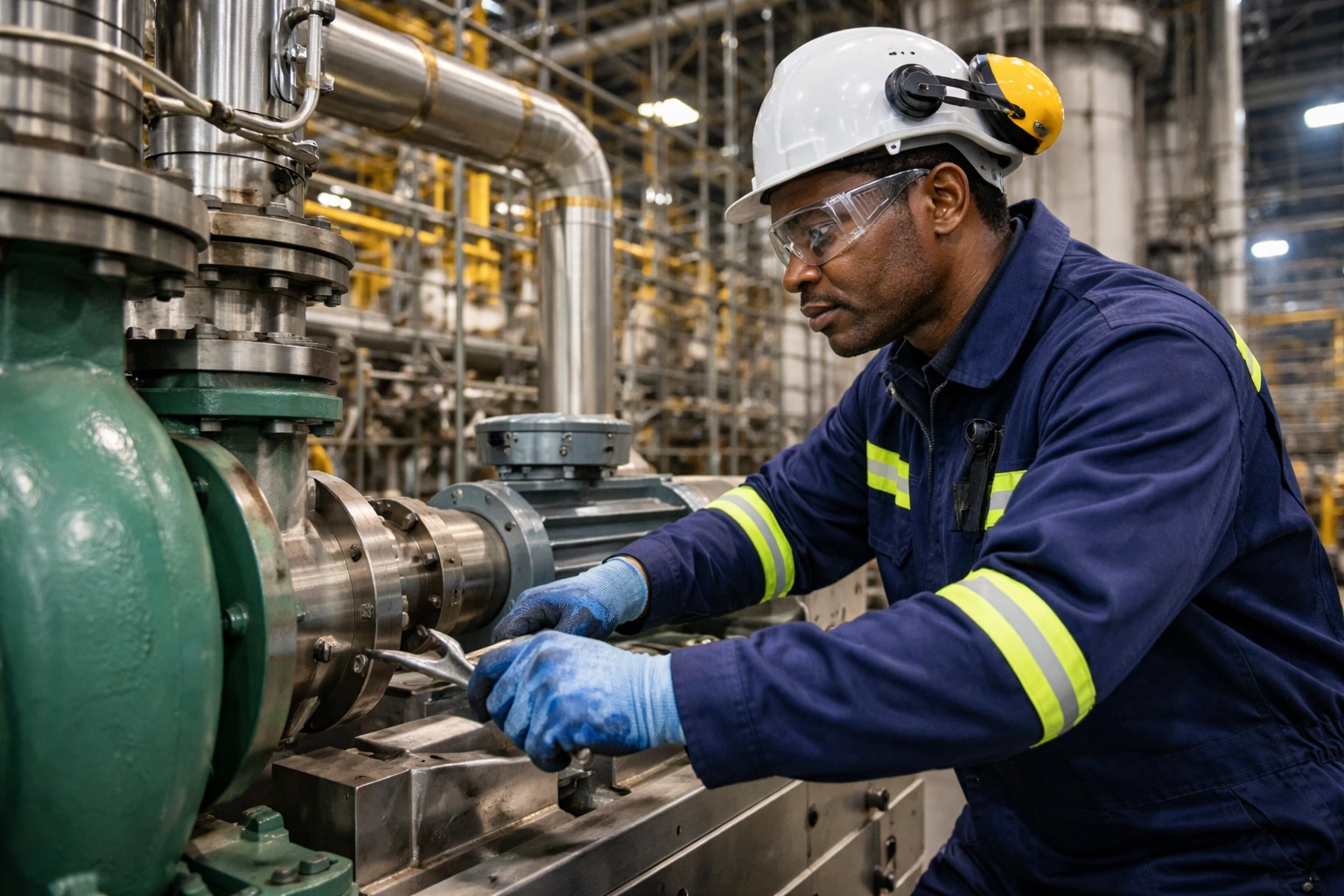
Explore the Artisan Mechanical opportunity at Necsa, including responsibilities, skills required, and what this role reveals about South Africa’s nuclear maintenance sector.
Artisan Mechanical Opportunity at Necsa: Why This Artisan Mechanical Matters Now
The release of the Artisan: Mechanical vacancy at Necsa in the North West reflects a deeper shift in South Africa’s highly specialized industrial workforce—particularly within nuclear and high-compliance environments. At a time when infrastructure reliability, safety compliance, and technical resilience are under increasing scrutiny, roles like this are becoming essential to sustaining critical operations.
This Artisan Mechanical is not simply about routine maintenance. It represents the intersection of engineering precision, regulatory compliance, and operational continuity in one of the most demanding technical environments in the country. For early-career artisans, this opportunity signals both a gateway into nuclear-sector expertise and a benchmark for the evolving expectations placed on mechanical professionals.
ALSO APPLY FOR Shift Foreman x 1 Hay Level 14 / C3 Job Opportunity at Necsa North West
Quick Facts Box About Artisan Mechanical
- Closing Date: 03 April 2026
- Location: North West, South Africa
- Duration: Permanent
- Positions Available: Not stated in the official advert
- Reference Number: ARTISAN75
- Stipend/Salary: Market Related
Understanding the Role: Beyond Traditional Mechanical Maintenance
At first glance, the Artisan Mechanical role may appear similar to standard fitter or maintenance positions. However, a closer analysis reveals a far more complex scope.
The primary responsibility centers on ensuring that all scheduled maintenance—particularly during shutdown periods—is completed accurately and on time. Shutdown maintenance is critical in high-risk facilities because it is often the only opportunity to perform extensive repairs, upgrades, and inspections without disrupting operations.
What distinguishes this role is the expectation of innovation. The advert explicitly notes that breakdowns may require “original ideas” to solve complex problems. This suggests that the position demands not only technical competence but also creative problem-solving in high-pressure scenarios.
Additionally, the inclusion of tasks such as installation, commissioning, and modification of equipment indicates that the role extends into project-based engineering work, not just maintenance.
The Nuclear Environment: A High-Stakes Technical Landscape || Artisan Mechanical
One of the most defining aspects of this Artisan Mechanical is its placement within a nuclear facility environment. This fundamentally changes the nature of the work.
Unlike conventional industrial settings, nuclear facilities operate under strict regulatory frameworks that govern every aspect of maintenance, safety, and documentation. The requirement for knowledge of nuclear facilities and regulatory compliance highlights the level of responsibility involved.
For example, routine inspections of pumps, cranes, and reactor components are not just operational tasks—they are safety-critical activities that directly impact the integrity of the facility. Even minor oversights can have significant consequences.
Furthermore, the requirement for medical fitness to qualify as a radiation worker underscores the physical and regulatory demands of the role. This is not a typical workshop environment; it is a controlled, high-risk setting where precision and discipline are non-negotiable.
Maintenance Strategy: Preventive, Corrective, and Predictive Approaches
A key insight from this opportunity is the layered approach to maintenance. The role involves preventive, corrective, and reactive maintenance strategies, all of which must be managed effectively.
Preventive maintenance includes scheduled inspections and servicing to avoid failures before they occur. Corrective maintenance addresses identified issues, while reactive maintenance deals with unexpected breakdowns.
The requirement to follow up on maintenance request programs and implement corrective actions suggests a structured maintenance system, likely supported by digital tools. This aligns with global trends toward predictive maintenance, where data is used to anticipate failures and optimize performance.
For instance, maintaining calibrated equipment and updating mechanical drawings ensures that all interventions are accurate and traceable. This level of detail is essential in environments where compliance and accountability are critical.
Supply Chain and Resource Management: A Hidden Responsibility
One often overlooked aspect of technical roles is the involvement in procurement and resource management. This Artisan Mechanical explicitly includes responsibility for purchasing materials and liaising with suppliers.
This is significant because it places the artisan at the center of decision-making regarding equipment and spare parts. Selecting the right components at the best price requires both technical knowledge and commercial awareness.
In addition, managing maintenance stores to ensure the availability of critical items highlights the importance of inventory control. Delays in obtaining parts can lead to extended downtime, which is particularly costly in high-value facilities like nuclear plants.
This dual role—technical execution and resource management—reflects a broader trend in which artisans are expected to contribute to operational efficiency beyond their immediate tasks.
Skills, Competencies, and the Shift Toward Multi-Skilled Artisans
The competencies outlined in the advert provide valuable insight into what defines a successful candidate in today’s industrial landscape.
Technical skills remain foundational, particularly knowledge of mechanical systems such as pumps, compressors, and reactor components. However, the emphasis on analytical thinking suggests that the role requires the ability to diagnose complex problems and implement effective solutions.
Soft skills are equally important. Communication, planning, and organizational abilities are essential for coordinating with teams, documenting work, and ensuring compliance with procedures.
The inclusion of adaptability, stress management, and self-motivation reflects the demanding nature of the role. Working in a nuclear facility often involves irregular hours, standby duties, and high-pressure situations, all of which require resilience and professionalism.
Interestingly, the requirement for training others indicates that the role also involves knowledge transfer. This positions the artisan as both a practitioner and a mentor within the organization.
Digitalization and Documentation: The Backbone of Compliance
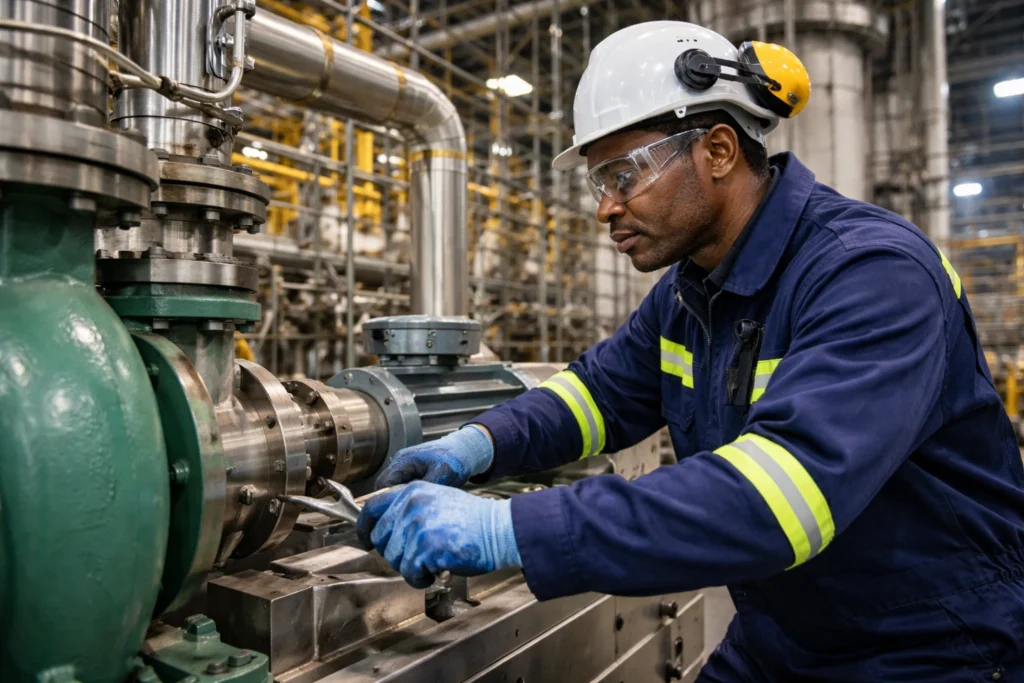
Another critical aspect of this Artisan Mechanical is the emphasis on documentation and digital systems. Maintaining accurate records of maintenance activities is not just a best practice—it is a regulatory requirement.
Preparing work procedures, updating mechanical drawings, and maintaining documentation systems ensure that all activities are traceable and auditable. This is particularly important during internal and external audits, where compliance with ISO and other standards is assessed.
The ability to use computer systems effectively is therefore essential. As industrial environments continue to adopt digital tools, artisans must be comfortable working with software for maintenance management, reporting, and analysis.
This shift toward digitalization is transforming traditional roles, making technical literacy a key differentiator in the job market.
What This Means Going Forward
This Artisan Mechanical highlights several important trends shaping the future of technical roles in South Africa.
First, there is a clear move toward specialization. Working in a nuclear environment requires a unique combination of skills and knowledge that goes beyond standard mechanical training. This creates opportunities for artisans to develop niche expertise that is highly valued in the market.
Second, the integration of technical, administrative, and financial responsibilities suggests that roles are becoming more holistic. Employers are looking for individuals who can contribute to multiple aspects of operations, from maintenance to procurement and compliance.
Third, the emphasis on continuous learning—through training sessions, courses, and industry developments—indicates that lifelong learning is essential. As technologies and regulations evolve, professionals must stay updated to remain relevant.
Finally, the focus on safety and compliance is likely to intensify. As industries face increasing regulatory pressure, the demand for skilled professionals who can operate within strict frameworks will continue to grow.
APPLY NOW FOR Artisan Mechanical
Frequently Asked Questions (FAQs)
1. What does an Artisan Mechanical do at Necsa?
An Artisan Mechanical performs maintenance, repairs, and installation of mechanical systems while ensuring compliance with safety and regulatory standards.
2. Is nuclear experience required for this role?
While not mandatory, experience in nuclear or similar high-compliance environments is highly advantageous.
3. What qualifications are needed?
A qualified Mechanical Fitter Artisan certification, along with a valid driver’s license and relevant experience.
4. Does the role involve working after hours?
Yes, the position may require standby duties and after-hours work depending on operational needs.
5. Why is this role considered specialized?
Because it involves working in a nuclear facility with strict safety, regulatory, and technical requirements.
Conclusion
The Artisan Mechanical vacancy at Necsa represents more than an entry-level opportunity—it is a strategic role within a highly specialized and regulated environment. For aspiring artisans, it offers a pathway into advanced technical work with significant responsibility and growth potential.
At the same time, it reflects broader industry trends toward multi-skilled roles, digital integration, and heightened compliance standards. As South Africa continues to invest in critical infrastructure, positions like this will play a vital role in ensuring operational reliability and safety.




Leave a Reply