

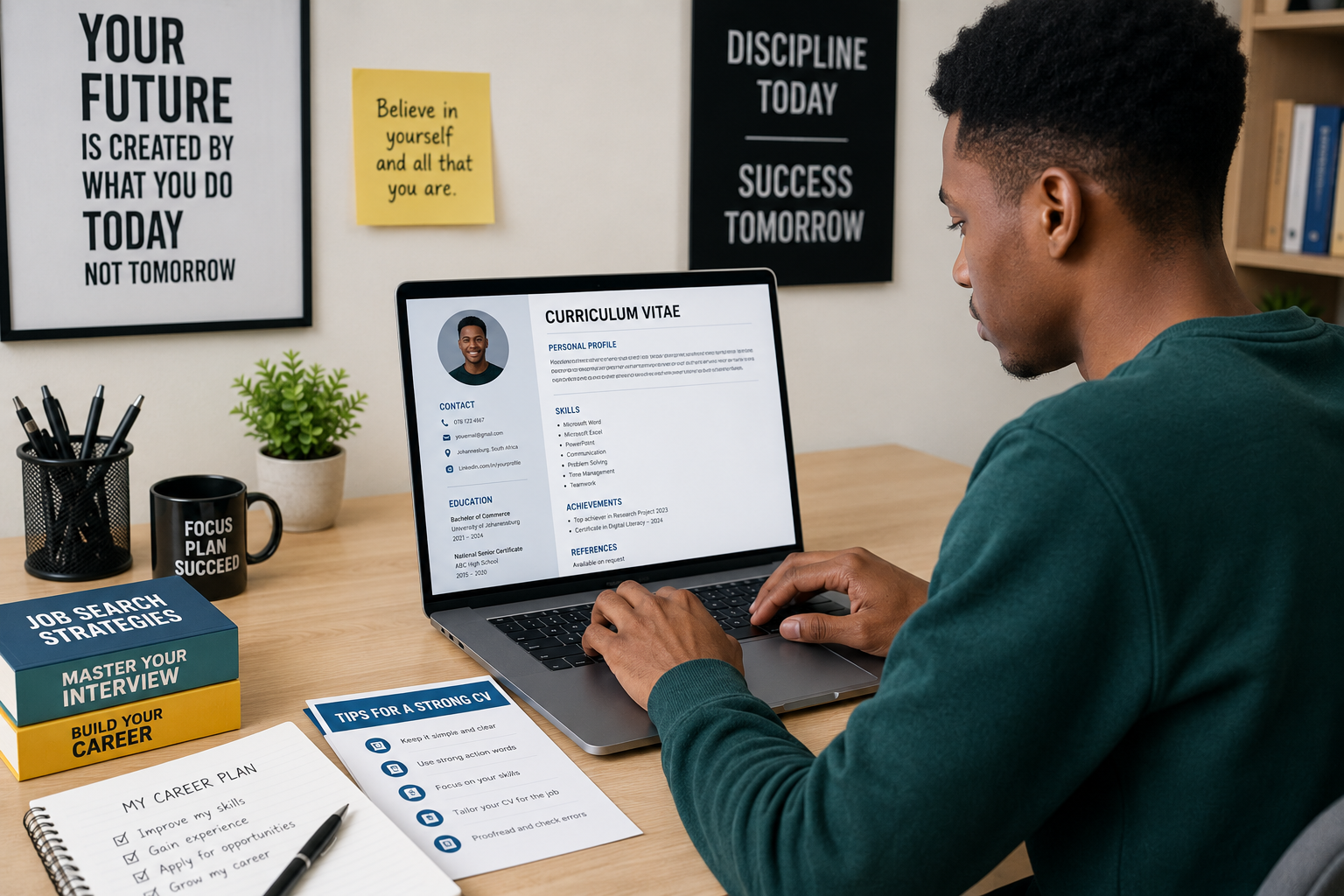
Learn how to write a CV without experience in South Africa using practical strategies that help first-time job seekers stand out in 2026. Discover expert CV tips, examples, and mistakes to avoid.
How to Write a CV Without Experience in South Africa
For thousands of young South Africans entering the job market in 2026, one challenge continues to dominate the employment conversation: how do you write a CV when you have no work experience?
It is a frustrating cycle. Employers ask for experience, yet many graduates, matriculants, and first-time job seekers struggle to get an opportunity to gain that experience in the first place. As competition for internships, learnerships, retail jobs, and graduate programmes increases, a weak or poorly structured CV can immediately reduce a candidate’s chances.
The reality, however, is that a lack of formal work experience does not automatically mean a candidate has nothing valuable to offer. Employers are increasingly paying attention to transferable skills, adaptability, communication ability, digital literacy, volunteer work, and evidence of initiative. Following the February 2026 Google Discover content update, search visibility has also shifted toward practical, trustworthy, and experience-based career guidance content — making authentic CV advice more important than ever.
Understanding how to write a CV without experience is now less about “filling empty space” and more about positioning your strengths strategically.
ALSO READ OUR PRIVACY POLICY
ALSO APPLY FOR Bidvest International Logistics Unemployed Learnership (2026–2027): A Strategic Opportunity for African Women Living with Disabilities
Why Employers Still Consider Candidates Without Experience
One of the biggest misconceptions among job seekers is believing that employers only care about previous jobs. In reality, many entry-level recruiters understand that students and unemployed youth may not yet have formal employment history.
What recruiters often look for instead includes:
- Communication skills
- Reliability
- Computer literacy
- Teamwork ability
- Problem-solving potential
- Positive attitude
- Willingness to learn
This is especially true for industries such as retail, customer service, hospitality, call centres, internships, administration, logistics, and learnership programmes.
South Africa’s youth unemployment challenge has also pushed many companies to rethink entry-level recruitment. Some employers now prioritize potential over experience because training can be provided internally.
The key issue is whether a CV communicates potential clearly enough.
1. Start With a Strong Professional Summary
The first section of a CV often determines whether a recruiter continues reading.
Many inexperienced candidates make the mistake of writing generic statements such as:
“I am looking for a job opportunity to grow my skills.”
This says very little about the applicant.
A stronger professional summary should explain who you are, what skills you already possess, and what type of opportunity you are seeking.
Example:
Motivated and detail-oriented young professional with strong communication and computer skills seeking an entry-level opportunity in administration or customer service. Passionate about learning, teamwork, and professional growth.
This section matters because recruiters usually scan CVs within seconds before deciding whether to continue reading.
A clear summary immediately creates direction and professionalism.
2. Education Becomes Your Strongest Asset
When learning how to write a CV without experience, education should receive greater attention than it would on an experienced professional’s CV.
Instead of simply listing your school or qualification, candidates should include:
- Qualification name
- Institution name
- Year completed
- Relevant subjects
- Achievements
- Academic projects
- Leadership roles
For matriculants, subjects like Mathematics, Accounting, Business Studies, CAT, Physical Sciences, or English can help strengthen a CV depending on the job being applied for.
Graduates should also mention practical assignments, presentations, research projects, or group work completed during studies.
These details demonstrate competency even without employment history.
3. Skills Matter More Than Many Applicants Realize
One major trend shaping recruitment in 2026 is skills-based hiring.
Employers increasingly search for practical abilities rather than focusing only on previous job titles. This is particularly important for candidates trying to understand how to write a CV without experience.
Some valuable skills to include are:
Technical Skills
- Microsoft Word
- Excel
- PowerPoint
- Google Workspace
- Data capturing
- Email communication
- Social media management
Soft Skills
- Teamwork
- Communication
- Time management
- Adaptability
- Problem-solving
- Customer service
However, simply listing skills is not enough.
Candidates should support skills with context whenever possible.
For example:
Assisted with organizing school events requiring teamwork and communication skills.
Or:
Managed social media promotions for a community youth project.
These examples create credibility.
4. Volunteer Work and Side Activities Can Strengthen Your CV
A growing number of recruiters now recognize volunteer experience as meaningful workplace preparation.
This is especially valuable for first-time job seekers who may have helped in:
- Community organizations
- Religious groups
- School leadership
- Family businesses
- Sports teams
- Student societies
- Online freelance projects
Volunteer activities demonstrate responsibility, initiative, and practical exposure.
For example, helping coordinate community events may show organizational ability. Assisting with a family shop may demonstrate customer service experience.
In many cases, these experiences can separate one applicant from another.
Candidates should avoid assuming that only paid work “counts.”
5. Formatting and Simplicity Influence Recruiter Decisions
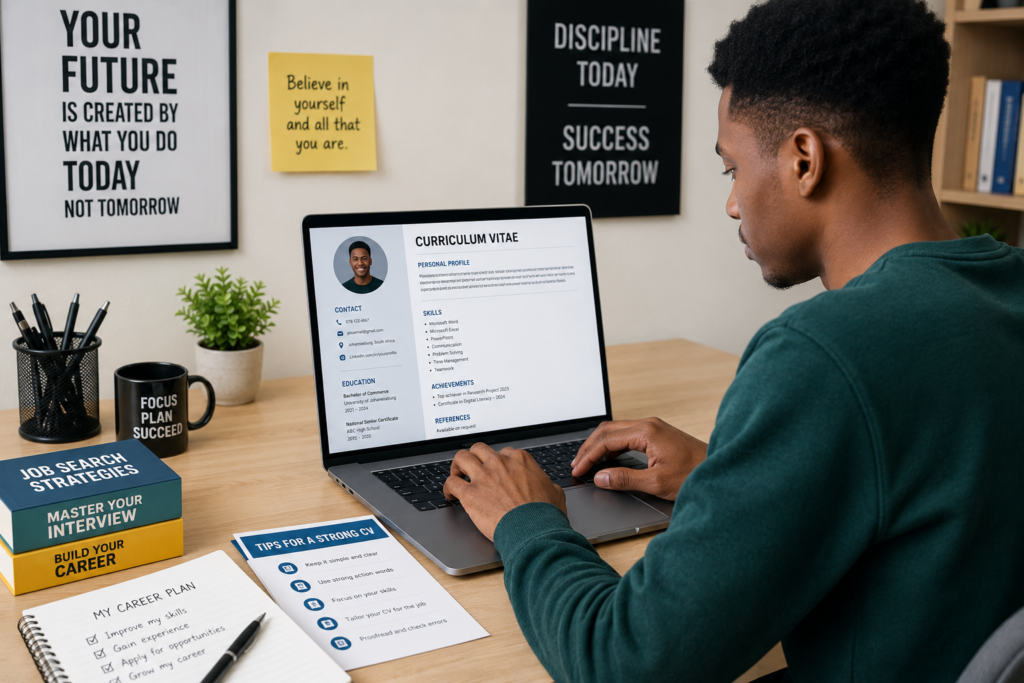
One overlooked aspect of how to write a CV without experience is presentation quality.
Recruiters frequently reject CVs because they appear disorganized, overcrowded, or unprofessional.
A strong beginner CV should:
- Be 1–2 pages maximum
- Use clean fonts
- Include clear headings
- Avoid spelling mistakes
- Use professional language
- Keep spacing balanced
- Save as PDF format
Another important trend in 2026 recruitment is mobile-friendly CV viewing. Many recruiters now review applications on smartphones, especially through job portals and email submissions.
This means complicated designs, excessive graphics, and unreadable layouts may actually reduce effectiveness.
Simplicity often performs better.
6. Tailoring Your CV for Each Job Increases Success Rates
One of the biggest mistakes inexperienced candidates make is sending the same CV everywhere.
Modern recruitment systems increasingly use Applicant Tracking Systems (ATS) that scan CVs for keywords related to the vacancy.
For example:
- A retail job may prioritize customer service and communication.
- An admin internship may prioritize Microsoft Office skills.
- A logistics learnership may focus on teamwork and organization.
Using relevant keywords from the job advert naturally inside the CV improves visibility.
This is also important for online applications because ATS software may automatically filter applications before a recruiter even sees them.
Candidates who understand this process often achieve better interview rates despite having limited experience.
7. Digital Presence Is Becoming Part of Recruitment
Another emerging trend in South African recruitment is digital screening.
Some recruiters now review applicants’ online profiles before making interview decisions.
This does not necessarily mean candidates need professional websites, but having:
- A professional email address
- A clean LinkedIn profile
- Responsible social media behavior
- Updated contact details
can positively influence credibility.
Young job seekers should avoid inappropriate usernames or unprofessional public posts linked to their applications.
In 2026, employability increasingly extends beyond the CV itself.
Common Mistakes First-Time Job Seekers Should Avoid
Many weak CVs share similar problems.
Some of the most common include:
Including False Experience
Exaggerating or inventing work history can damage credibility if discovered during interviews or background checks.
Using Long Paragraphs
Recruiters prefer concise and easy-to-read information.
Poor Grammar and Spelling
Language mistakes create an impression of carelessness.
Missing Contact Details
Some applicants forget to include working phone numbers or professional email addresses.
Adding Irrelevant Information
Details unrelated to the job may distract recruiters from important strengths.
Avoiding these mistakes can immediately improve application quality.
What This Means Going Forward
The discussion around how to write a CV without experience reflects a broader shift happening in the job market.
Traditional recruitment models are slowly evolving. Companies increasingly recognize that potential, adaptability, and transferable skills matter alongside formal employment history.
At the same time, competition for opportunities continues to intensify. This means first impressions now carry more weight than ever.
Candidates who understand how to present themselves strategically — even without experience — may position themselves ahead of applicants who rely only on generic templates.
The future of entry-level hiring will likely continue moving toward:
- Skills-based recruitment
- Digital application systems
- ATS keyword optimization
- Online credibility checks
- Personality and adaptability assessments
For young South Africans, this means building employability is no longer limited to “having experience.” It increasingly involves communication, presentation, digital literacy, and the ability to demonstrate value clearly.
Frequently Asked Questions (FAQs)
Can I get a job in South Africa without work experience?
Yes. Many internships, learnerships, retail positions, graduate programmes, and entry-level jobs accept candidates without previous experience, especially if they demonstrate strong skills and potential.
What should I include in a CV if I have never worked before?
You should include your education, skills, volunteer work, achievements, leadership roles, certifications, and a strong professional summary that explains your strengths and career goals.
Conclusion
Learning how to write a CV without experience is one of the most important career skills for first-time job seekers in South Africa.
While the absence of formal employment may seem like a disadvantage, employers increasingly value adaptability, skills, and growth potential. A well-structured CV can help candidates present themselves professionally even at the beginning of their careers.
The strongest beginner CVs are not necessarily the longest or most complex. They are clear, focused, honest, and strategically tailored for the opportunity being applied for.
As the employment market continues evolving in 2026, candidates who understand how to communicate their value effectively may significantly improve their chances of securing interviews and career opportunities.


Leave a Reply